

Interior Project Planning: Why Now Is the Time to Start
The window that fogs up every morning before the coffee’s done. The bathroom you’ve been meaning to redo since spring. The floor everyone tiptoes around because of the squeak.
Every home has a list like that. Small things you notice daily and mean to deal with, until another season slips by and the list is still there.
The difference between a home that quietly needs a few things and one you’re proud of again isn’t the size of the project. It’s knowing what isn’t working and giving yourself enough time to address it properly.
For most smaller interior projects, it’s worth starting the conversation two to three months before you want work to begin. Projects that require design, drawings, permits, or more extensive selections require additional time up front. If you’re thinking about making changes this fall or winter, now is a good time to start planning.
In this blog, we cover:
- Where to start when building your own interior project list
- How much lead time windows, bathrooms, kitchens, flooring, and painting typically need
- What determines the right lead time for your project
Where to Start Looking

What should make it onto your upgrade/renovation list? That’s where a conversation with a Home Care Project Manager can help.
You don’t need to know exactly what needs to be replaced, repaired, or renovated before you reach out. Walking through what’s not working in your home can help identify which issues need attention, which are good candidates for an update, and which may be worth addressing before they become larger problems.
Cory, our Home Care Project Manager, is seeing a clear pattern in the requests coming in, and these are also some of the areas homeowners tend to revisit as the seasons change:
- Flooring updates, in single rooms and throughout the main level
- Bathroom renovations, from full remodels to smaller refreshes.
- Interior painting.
- Window replacements, often prompted by condensation or drafts.
These are the projects that tend to get pushed to the side during the summer, while decks, patios, and other outdoor work take priority. Once the outdoor season winds down, they move back to the top of the list, which is exactly why this is a good moment to start looking at what your home needs.
How Much Lead Time Do Interior Projects Need?
Timing depends on the size and complexity of the project. Here’s how that plays out across the most common requests right now:
- Windows: Among the longest lead times on this list, once you factor in assessment, ordering, and installation.
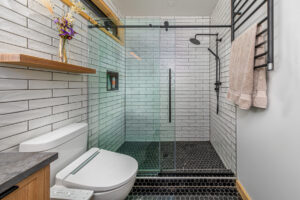
- Bathrooms: Complete renovations need closer to the full two to three months, for planning and selections. Targeted updates, like replacing an aging shower, move faster once the scope is confirmed.
- Flooring: Single-room updates can often move within the standard two- to three-month window. Larger, multi-room projects need more time for material selection and scheduling.
- Painting: One of the shorter lead-time projects on this list, especially for a single room. Whole-home painting still benefits from early scheduling to lock in your preferred timing.
As a general rule, most smaller interior projects need two to three months of lead time for planning, selections, and scheduling. Larger renovations need more time to define the scope, coordinate trades, and complete selections, and anything requiring design, drawings, or permits needs to start earlier still. The exact timeline depends on the project, but the principle is simple: the earlier you understand what needs to happen, the more time you have to plan it properly.
Ready to Plan Your Interior Project?
You don’t need to have the whole project figured out before you start the conversation.
Whether it’s a window that’s no longer performing, a bathroom that needs an update, or a floor that’s had enough, we can help you understand what’s involved, what should happen first, and how much lead time you’ll need.
Book a Home Care consultation to get started.
Frequently Asked Questions
When should I start planning an interior renovation in Ottawa?
For most smaller interior projects, two to three months of lead time is a reasonable starting point. Larger renovations, or projects that require design, drawings, or permits, should start earlier.
What are signs I need new windows?
Condensation between the panes, persistent fogging, and drafts around the frame can all be signs that a window needs attention. The cause isn’t always the same, so an assessment can help determine whether repair or replacement is the right approach.
Should I renovate my whole bathroom or just update the shower?
It depends on what’s no longer working. A full renovation makes sense when several parts of the room need attention. A targeted shower update is the better option when the rest of the bathroom is still functioning well and meeting your needs.
How far in advance should I book a Home Care project?
It depends on the scope. Most smaller interior projects need two to three months for planning, selections, and scheduling. Larger projects, or those requiring design, drawings, or permits, need additional time.